
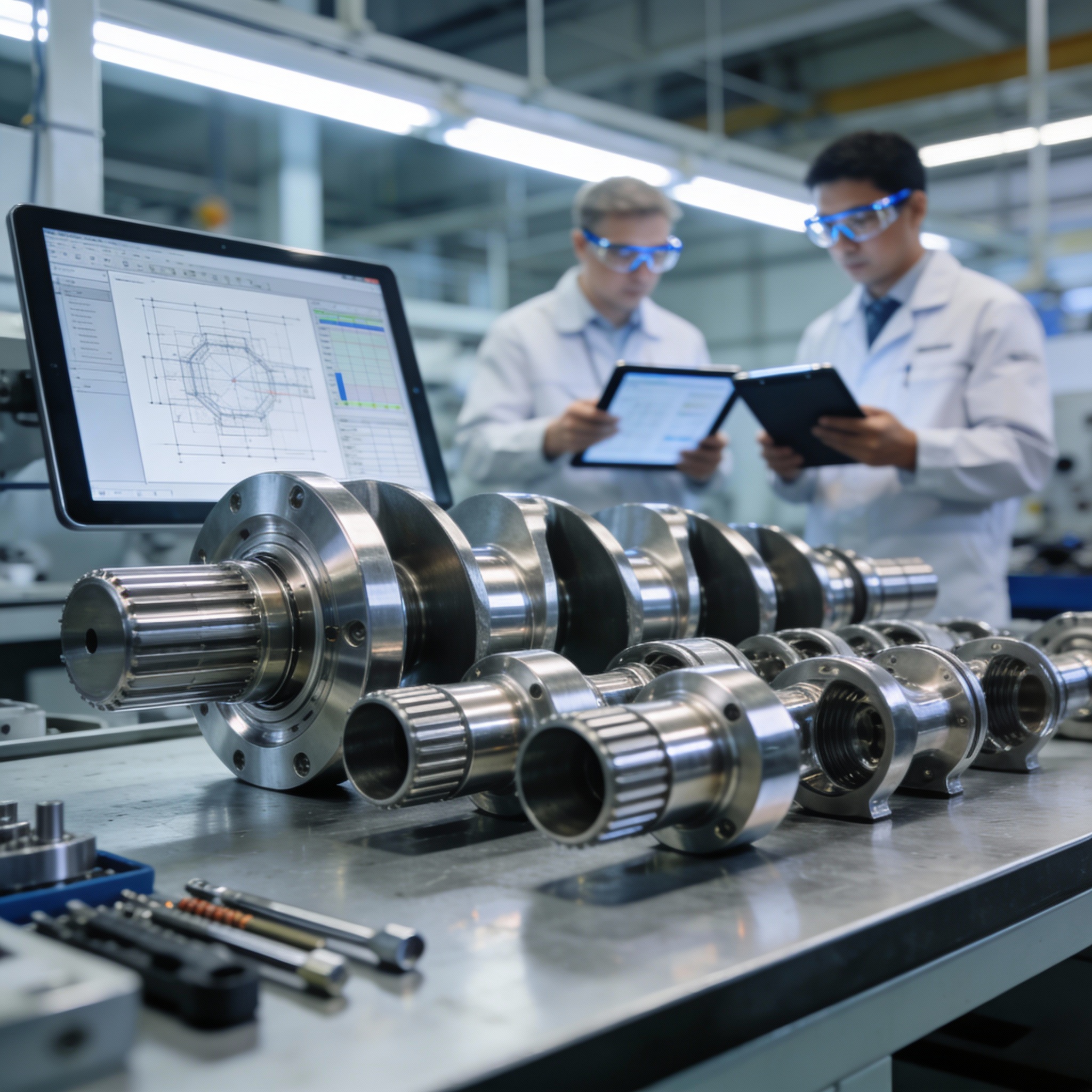
Electroless nickel offers a unique plating method that provides uniform coating and excellent corrosion resistance, making it essential to understand its advantages compared to electrolytic nickel for component protection and performance.
Electroless nickel coating is often the unsung hero in protecting metal components, delivering uniform coverage and exceptional corrosion resistance without the need for an electrical current. But how does it stack up against electrolytic nickel, a more traditional plating method?
Choosing the right nickel plating can significantly impact your component’s durability, performance, and maintenance costs. Understanding the strengths and limitations of electroless nickel versus electrolytic nickel helps you make an informed decision tailored to your specific needs.
Let’s explore the differences and benefits of each to determine which nickel plating method is the best fit for your components.
Uniformity and Coverage: Why Electroless Nickel Excels
One of the standout advantages of electroless nickel plating is its ability to produce a remarkably uniform coating, even on complex geometries and intricate parts. Unlike electrolytic nickel plating, which relies on an electric current and often results in uneven thickness—thicker near the cathode and thinner in recessed or shielded areas—electroless nickel deposits a consistent layer regardless of shape.
This uniformity is particularly critical in high-precision industries such as aerospace, electronics, and medical devices, where consistent protective layers ensure reliable performance and longevity. By avoiding thin spots that can be vulnerable to wear or corrosion, electroless nickel significantly enhances component durability.
Transitioning from coverage, corrosion resistance is another pivotal factor in choosing the right plating method.
Superior Corrosion Resistance for Harsh Environments
Electroless nickel plating boasts exceptional corrosion resistance due to its chemical composition and homogeneous deposition process. Because the coating includes phosphorus, the percentage of which can be precisely controlled, the final layer resists rust, oxidation, and chemical attack in aggressive environments far better than many electrolytic nickel coatings.
This quality makes electroless nickel a go-to choice for parts used in marine, chemical processing, and automotive sectors, where prolonged exposure to corrosive agents demands robust protection. Industrial case studies show that switching from electrolytic to electroless nickel can extend component life by 30-50%, translating to reduced downtime and lower maintenance costs.
As corrosion often leads to premature failure, such benefits in resistance effectively improve the overall performance and dependability of metal parts.
Enhanced Hardness and Wear Resistance
Electroless nickel layers also tend to be harder and more wear-resistant compared to those from electrolytic nickel plating. This is largely due to the uniform distribution of nickel and phosphorus that results in a dense, non-porous coating.
Such hardness improvements are invaluable in applications where components face friction, abrasion, or heavy mechanical stress. For instance, in the automotive industry, electroless nickel plating on engine components has demonstrated up to a 25% increase in wear resistance, which extends the interval between part replacements and lowers lifecycle costs.
The improvement in wear characteristics does not sacrifice ductility, preserving some flexibility in the coating to avoid cracking.
Consistency and Repeatability in Industrial Processes
From a manufacturing standpoint, electroless nickel offers superior process control and repeatability. Since the plating is chemically driven rather than dependent on electrical parameters, it reduces the variability encountered during electrolytic plating.
Many production lines benefit from this predictability, achieving tighter tolerances and consistent batch quality. For sectors like electronics or aerospace, where reliability is non-negotiable, this consistency means fewer rejections and less rework.
Cost Considerations and Application Suitability
While electroless nickel plating often comes at a higher upfront cost compared to electrolytic nickel, the total cost of ownership can be lower due to enhanced durability and reduced maintenance needs. When deciding between the two, consider the operational environment and the criticality of component performance.
Electrolytic nickel plating may suffice for applications with less demanding exposure or where cost constraints are paramount. However, when surface uniformity, corrosion protection, and wear resistance are priorities, electroless nickel clearly offers superior value.
Real-World Success Story: Automotive Industry
A leading automotive manufacturer replaced electrolytic nickel plating with electroless nickel on key engine components. The change resulted in a 20% efficiency gain through reduced wear and improved heat resistance, translating into a $5 million annual saving on maintenance and part replacements. Implementation challenges, such as adjusting bath chemistry and plating parameters, were successfully overcome by close collaboration with plating specialists, underscoring the importance of expertise in achieving optimal results.
In summary, electroless nickel plating stands out for its uniform coverage, superior corrosion resistance, enhanced hardness, and reliable process control. These attributes make it a compelling choice for industries prioritizing long-lasting and high-performance coatings. By aligning your nickel plating choice with your operational needs, you can ensure your components deliver consistent value throughout their service life.
Fukar delivers advanced metal surface finishing for global industries, specializing in electroplating and protective coatings that boost durability, cut friction, and resist corrosion. Core services include Xylan, Xylar 2, zinc flake, zinc nickel plating, electroless nickel, anodising, and passivation, backed by ISO 9001:2015 and PPG QAC certification, consultancy, testing, and reliable logistics.
Address
Fukar Sdn. Bhd.
Lot 910, Jalan Sellathevan, Batu 4, Kampung Jawa, Seksyen 36, 40470 Shah Alam, Selangor Darul Ehsan
Contact:
Tel: +603 337 21722
Mobile: +6019 352 3908