
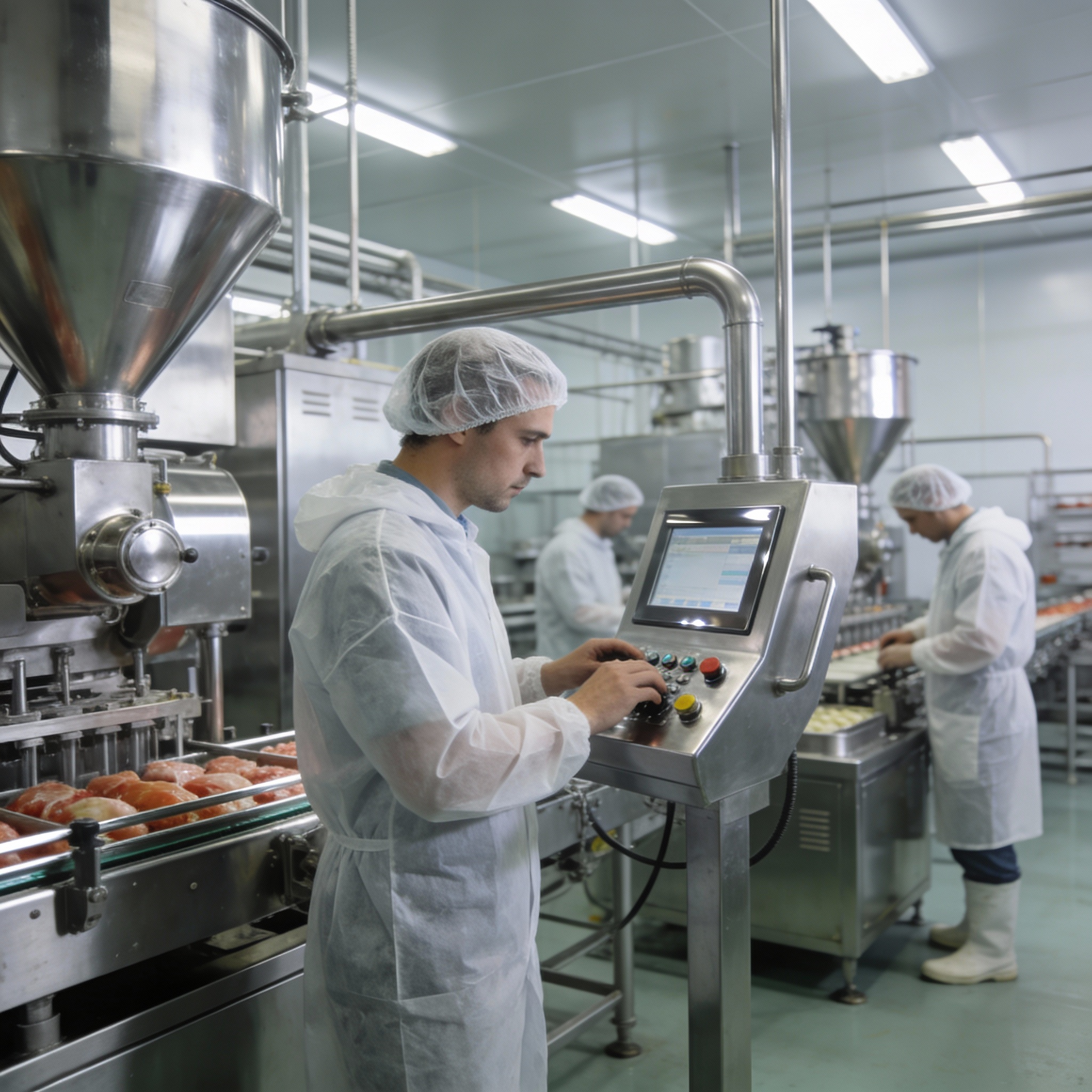
Electroless nickel plating enhances equipment in food processing by improving corrosion resistance, durability, and hygiene compliance, ensuring safer and longer-lasting machinery.
Electroless nickel coatings play a critical role in advancing food processing equipment performance. By enhancing corrosion resistance and durability, these coatings help maintain hygiene standards crucial for food safety. Understanding how electroless nickel benefits food processing operations is essential for manufacturers aiming to maximize equipment longevity and comply with industry regulations.
Let’s explore the key advantages and practical applications of electroless nickel in the food processing sector, highlighting why this coating solution is a vital choice for modern food production facilities.
Introduction to Electroless Nickel Plating for Food Processing
The electroless nickel plating process involves the chemical deposition of a nickel-phosphorus or nickel-boron alloy onto a substrate without using an external electrical current. This method produces a uniform, thin, and highly corrosion-resistant coating. Its ability to plate complex shapes evenly without requiring direct line-of-sight distinguishes it from traditional electroplating techniques.
In the food processing industry, the importance of electroless nickel plating cannot be overstated. Equipment in food production environments constantly faces exposure to moisture, acids, alkalis, and various cleaning chemicals. Electroless nickel plating ensures these machines resist corrosion and wear, extending their operational lifespan while meeting stringent hygiene requirements.
Benefits of Electroless Nickel in Food Processing
Corrosion resistance is paramount in food processing due to frequent contact with harsh substances and cleaning agents. Electroless nickel coatings form a dense, impervious layer protecting metal substrates from oxidative and chemical degradation. This characteristic significantly reduces equipment downtime caused by corrosion-related failures.
Moreover, the enhanced durability delivered by electroless nickel extends the operational life of food processing machines. The coating’s hardness provides resistance against abrasion and mechanical wear, cutting maintenance costs and improving overall equipment reliability.
Hygiene and safety compliance are also advanced by electroless nickel plating. The smooth, non-porous surface prevents bacterial adhesion and simplifies routine cleaning, critical to maintaining food safety standards required by regulatory authorities.
Comparison of Electroless Nickel vs. Traditional Coatings
Compared to conventional coatings like chrome or zinc plating, electroless nickel offers superior uniformity and depth of coverage on intricate components of food processing machines. While chrome plating is often brittle and can crack, electroless nickel maintains consistent performance under thermal cycling and mechanical stress.
Though initial costs may be higher for electroless nickel plating, its long-term cost-effectiveness emerges through reduced maintenance and longer replacement cycles. Traditional coatings tend to demand frequent reapplications to preserve performance, a drawback minimized by nickel’s robustness.
Applications of Electroless Nickel in Food Equipment
Electroless nickel coatings are widely used in various food processing machines such as mixers, conveyors, packaging equipment, and cutting blades. For instance, in dairy processing plants, nickel plating protects stainless steel surfaces from acidic dairy compounds and repeated washdowns.
A notable case is a meat processing facility that applied electroless nickel plating to its conveyor rollers. This intervention enhanced corrosion resistance and extended roller life by more than 30%, substantially lowering operational disruptions and maintenance expenses.
Corrosion Resistance of Electroless Nickel Coatings
Protection mechanisms stem from the coating’s dense microstructure, which creates a barrier to moisture and corrosive agents found in food processing environments. The phosphorus content within the coating also enables self-healing of minor surface imperfections, further preserving integrity.
Testing and certification for corrosion resistance comply with industry standards such as ASTM B733 and ISO 9227, ensuring food processing products meet rigorous quality requirements.
Lifespan and Durability of Electroless Nickel in Harsh Environments
Longevity depends on factors including coating thickness, substrate preparation, and operating conditions like temperature and chemical exposure. Regular inspection and preventive maintenance, such as avoiding abrasive cleaning tools, help prolong the coating’s efficacy.
Maintenance protocols recommend scheduled cleaning with non-abrasive agents and prompt repair of damage to prevent corrosion initiation sites, thus maximizing equipment uptime and cost savings.
Safety Standards and Regulations for Food Processing Equipment
Coatings used in food processing must comply with safety regulations like FDA and USDA guidelines to ensure no harmful leachates contaminate the food products. Electroless nickel plating meets these compliance requirements due to its inert and stable nature.
This compliance not only ensures food safety but also protects consumer health, underscoring the coating’s critical role in the food processing supply chain.
Environmental Impact of Electroless Nickel Plating
Sustainability considerations include minimizing hazardous waste and utilizing recycling practices for plating baths and rinsing water. Modern electroless nickel plating facilities adopt closed-loop systems and eco-friendly chemicals to reduce environmental footprint.
Proper waste management protocols and adherence to environmental regulations contribute to making electroless nickel plating a responsible choice in food processing equipment manufacturing.
Case Studies: Successful Implementation of Electroless Nickel
A bakery equipment manufacturer reported a 25% increase in equipment lifespan after switching to electroless nickel plating on mixing and dough handling components, enabling a significant reduction in maintenance costs and downtime.
Another example involves a juice processing plant where electroless nickel coatings on cutting and filtering components resisted acidic corrosion, resulting in fewer replacements and consistent product quality.
These cases emphasize best practices such as thorough substrate cleaning prior to plating and ongoing performance monitoring to optimize results.
Future Trends in Electroless Nickel Technology for Food Industry
Innovations include the development of composite coatings incorporating nanoparticles to further boost corrosion resistance and antimicrobial properties. Advances in bath chemistry enhance plating efficiency and reduce chemical consumption.
Emerging applications target newer food processing techniques requiring specialized coatings that withstand extreme pH levels and thermal conditions, positioning electroless nickel as a pivotal technology in future food processing products.
About Fukar
Fukar specializes in advanced surface engineering solutions tailored for the food processing industry, delivering electroless nickel plating services that meet rigorous performance and compliance standards.
We offer comprehensive plating services, including substrate preparation, precise coating application, quality control, and post-treatment. Our solutions address specific challenges faced by food processing equipment manufacturers, ensuring prolonged performance and enhanced hygiene.
Through continual innovation and adherence to industry regulations, we help food processing facilities achieve operational excellence and maintain safety standards vital for consumer trust.
Fukar delivers advanced metal surface finishing for global industries, specializing in electroplating and protective coatings that boost durability, cut friction, and resist corrosion. Core services include Xylan, Xylar 2, zinc flake, zinc nickel plating, electroless nickel, anodising, and passivation, backed by ISO 9001:2015 and PPG QAC certification, consultancy, testing, and reliable logistics.
Address
Fukar Sdn. Bhd.
Lot 910, Jalan Sellathevan, Batu 4, Kampung Jawa, Seksyen 36, 40470 Shah Alam, Selangor Darul Ehsan
Contact:
Tel: +603 337 21722
Mobile: +6019 352 3908