
What is Zinc Nickel Plating?
(ASTM B841)
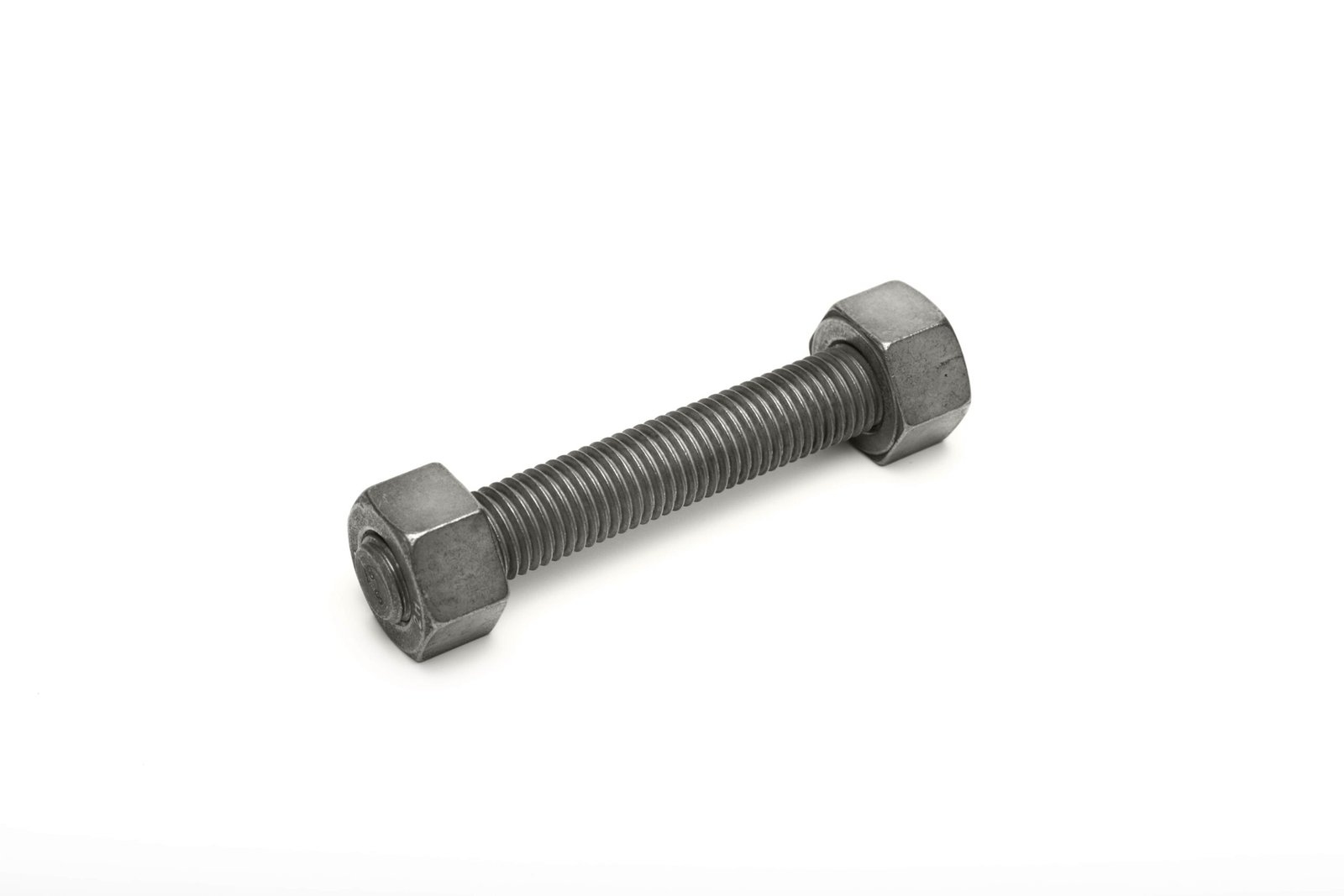
Zinc Nickel Plating is an electroplating process that involves the deposition of a zinc-nickel alloy on a metal surface, typically steel. This process produces a coating that offers superior corrosion resistance, especially in harsh environments, compared to traditional zinc plating. The zinc-nickel alloy is highly resistant to saltwater, humidity, and other corrosive substances, making it ideal for industries where components are exposed to extreme weather or chemical conditions. Zinc Nickel Plating provides a hard, durable finish that enhances the longevity of components and helps reduce maintenance needs. This coating is commonly used in the automotive, aerospace, and military industries for parts like fasteners, connectors, and electrical components.
Benefits of Zinc Nickel Plating
Zinc Nickel Plating delivers exceptional corrosion resistance, outperforming standard zinc coatings and making it ideal for components exposed to harsh environments. With a typical alloy composition of 12–15% nickel, this coating can withstand over 1,000 hours of salt spray testing before red corrosion appears. It also offers superior hardness (400–500 HV), excellent heat resistance, and durability, reducing maintenance costs and extending the lifespan of critical components. Additionally, zinc nickel is an environmentally friendly alternative to cadmium, aligning with global regulations for reduced toxicity
Application of Zinc Nickel Plating
Xylan coatings are used to reduce friction, enhance wear resistance, and provide non-stick surfaces. They are particularly useful in applications where smooth movement and protection from corrosive substances are necessary.
Enquire about our services
FAQ
Nickel-plated steel is corrosion resistant and can be suitable for outdoor use, especially in mild climates. However, its effectiveness depends on the thickness and quality of the plating.
Zinc nickel plating is highly resistant to rust and corrosion. The alloyed coating significantly delays the onset of red rust, often lasting over 1,000 hours in salt spray testing before showing signs of corrosion.
The actual lifespan of zinc nickel plating in real-world environments will depend on factors such as coating thickness, environmental exposure, and whether additional topcoats or passivation treatments are applied, but it is widely recognized that zinc nickel coatings can provide up to 10 times more protection than standard zinc coatings, making them ideal for demanding and corrosive applications
Yes, stainless steel can be zinc-nickel plated, but it requires special surface preparation as stainless steel’s natural oxide layer can prevent direct bonding of the plating
Yes, zinc-nickel plating offers superior corrosion resistance compared to traditional zinc plating, especially in harsh environments. Zinc-nickel coatings are more durable and provide longer-lasting protection against rust, making them a preferred choice for demanding applications
Our zinc nickel plating complies with ASTM B841 and other relevant industry standards to ensure consistent quality and performance
Yes, Fukar provides advanced zinc nickel plating services at its facility in Klang, serving clients across Malaysia and internationally
Yes, it is especially suitable for high-strength steel components, offering excellent protection without causing hydrogen embrittlement when applied correctly
Zinc nickel plating provides significantly better corrosion protection and durability than standard zinc plating and is less toxic than cadmium, meeting stricter environmental regulations